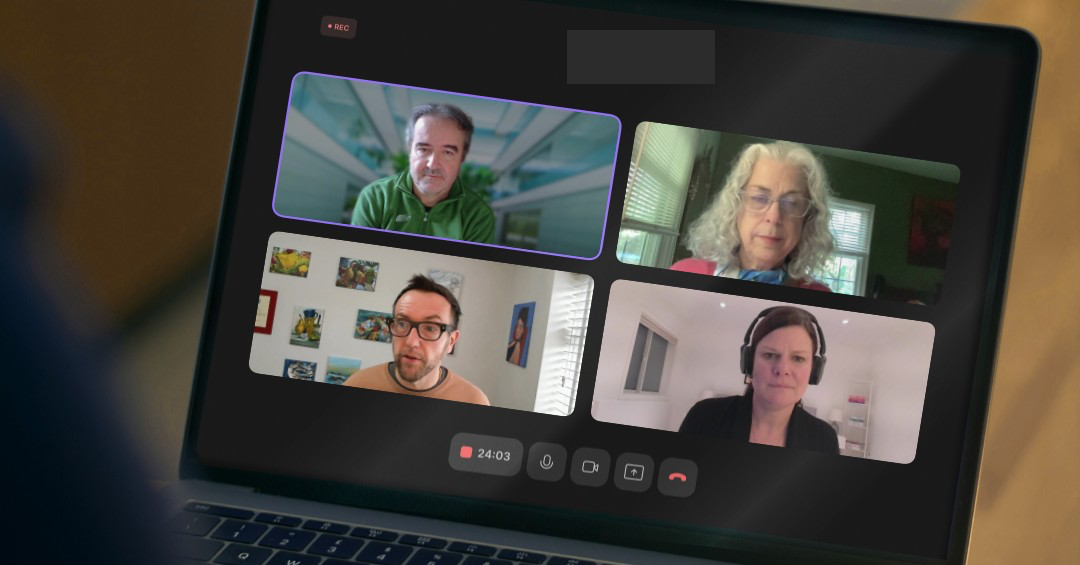
Hilary Wool at AXSChat in a modern, inclusive workspace setting with lush greenery and diverse art reflecting multicultural environments.

Bridging the Gap: The Unseen Diversity in Our Workplaces

Discover the untold story of diversity in the workplace through Hilary Wool's groundbreaking research on disability inclusion. Learn about the significant discrepancy between perceived and actual disability presence, the impact on workplace inclusion, and the transformative strategies that can bridge this gap. This post delves into the essential role of leadership, the power of mentorship, and the importance of reasonable accommodations in creating a truly inclusive work environment. Uncover how intersectionality shapes experiences and why a comprehensive approach to disability inclusion is crucial for organizational culture and strategy. Join us in redefining diversity and inclusion in today's workplaces.
A promotional image featuring four individuals, three in the background with a hashtag #AXSChat, and one woman in the foreground with the name "Nadia Törnroos" displayed.

Empower Digital Inclusion: Strategic Approaches to Technology Accessibility.

In this enlightening AXSChat episode, we delve into the remarkable journey of Nadia Törnroos, a figure synonymous with dedication and innovation in the field of accessibility. Hosted by the dynamic trio – Antonio Santos, Debra Ruh, and Neil Milliken – this interview sheds light on the transformative power of education, the critical importance of building a community of advocates, and the synergistic relationship between technology and accessibility.
crying black woman sharing problems with friend

Millions of Australians have a chronic illness. So why aren’t employers accommodating them?

More than 20 million Australians are living with at least one long-term health condition, with a significant portion actively participating in the workforce. However, the intersection of chronic illness and work is fraught with challenges, including workplace discrimination and the exacerbation of health conditions due to work stressors. Our research highlights that 73% of individuals believe their chronic illness was worsened by their job, pointing to a critical need for improved workplace practices. This article explores the responsibilities of employers in managing chronic illnesses at work, the shortcomings of current approaches, and actionable solutions to foster a healthier, more inclusive work environment.
Promotional graphic for #AXSChat featuring three individuals with Lauren C. Lobrano in the foreground

Driving Change: Inside Amazon’s Journey Towards Global Inclusion with Lauren Lobrano

Discover the transformative journey of Lauren Lobrano, Amazon's Global Disability Inclusion Leader, in an enlightening AXSCHAT interview. Delve into Amazon's commitment to creating an inclusive environment, leveraging technology to break down barriers, and the vision for a future where inclusivity is inherent in all aspects of life and business. This blog captures the essence of Lauren's insights, challenges, and the impactful role of leadership in advancing disability inclusion. Join us in exploring how Amazon is setting a precedent for inclusivity, driving both ethical and economic value through innovation and empathy
Podcast promotional image featuring Sabine Wachernig and #AXSChat hosts, Antonio Santos, Neil Milliken, and Debra Ruh, against a blue sky background.

Innovating for Inclusion: The Zero Project’s Global Impact

The Zero Project, led by the visionary Sabine Wachernig and the Essl Foundation, champions the cause of disability inclusion globally. Its annual conference in Vienna emerges as a crucial hub for showcasing innovative solutions in education and ICT, aimed at creating a barrier-free world. Through collaboration with NGOs, government bodies, and corporations, the project not only amplifies impactful innovations but also ensures their scalability, bringing us closer to an inclusive society where technology and human-centric solutions converge for the greater good.
A visually impaired individual uses a futuristic screen reader, depicted as a holographic interface, in a neon-lit cyberpunk cityscape. The person is wearing advanced glasses, interacting with high-contrast digital text converting to speech.

Digital inaccessibility: Blind and low-vision people have powerful technology but still face barriers to the digital world.

Despite significant technological advancements, blind and low-vision individuals still encounter considerable obstacles in accessing the digital realm. This comprehensive analysis delves into the ongoing issues with digital accessibility, highlighting the crucial need for inclusive design and legal compliance to enhance digital participation and employment prospects for the visually impaired.